Concrete5 (7)


Bilder in der NavigationImage Navigation Items

Concrete5 Navigation mit Bildern – der autonav Block erlaubt es sehr einfach und schnell eine hierarchische Seitenstruktur zur Navigation einzufügen. Sollen jedoch nicht Text-Links, sondern Bilder angeklickt werden, braucht es etwas mehr Arbeit.

In diesem Tutorial werde ich ein “Custom Template” für den autonav Block erstellen, welches ein Attribut von einer Seite ausliest um ein Bild anstelle des Textes anzuzeigen.

It’s been a while since I’ve posted the last tutorial. Due to some unexpected events I finally found some time to write a new one.

The default autonav Block in Concrete5 allows you to add a navigation/menu to your site in almost no time. But as soon as you want to use images it get a bit more difficult. In this tutorial I’m going to show you, how you can specify pictures for each page and pull them in an autonav template.

Inhalt ein- und ausblenden – BlockExpand/Collapse Block

Aufgrund von zeitlichen Einschränkungen ist es nun eine Weile her als ich etwas auf codeblog publiziert habe. Heute ist es kein Artikel, für Erklärungen hat’s leider nicht gerreicht. Dafür aber ein gratis Block für eure Internetseite.

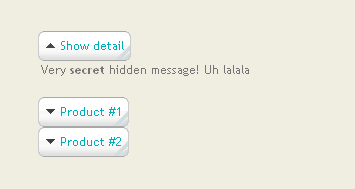
Ein simpler Block im Inhalt anzuzeigen den man bei Bedarf aus- und wieder einblenden kann:

expand

Due to limited time I wasn’t able to write new articles for codeblog. This time there’s not going to be much text, just a free block which you can use for your site.

expand


Concrete5 – Form stylingConcrete5 – Formular Layout anpassen

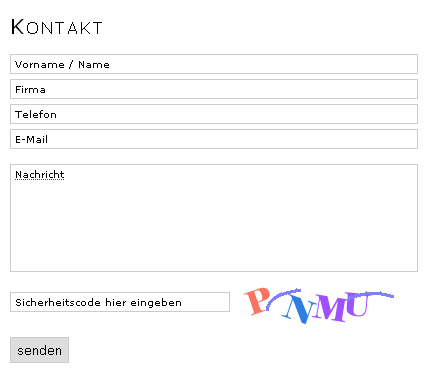
Concrete5 bietet einen netten Form Block, mit dem man Formulare in wenigen Sekunden erstellen. Dies ohne HTML oder PHP Kenntnisse. Unglücklicherweise lässt sich der HTML Code davon, nur schlecht mit CSS anpassen. In diesem Tutorial zeige ich, wie man ein Formular in diesem Stil erstellen kann:

Styles Form

Concrete5 has a nice form block which allows you to create a contact form within a few seconds. You don’t even need to have any html or php skills to create a simple file upload form. Unfortunately this block isn’t very easy to style. It uses some html markup which makes it a bit tricky to use CSS. However, it doesn’t mean it’s impossible! I’m going to show you how you can easily create a styles form using Concrete5 Custom Templates to produce this:

Styles Form


Concrete5 – mehr Speed mit eAcceleratorConcrete5 – more Speed with eAccelerator

UPDATE: Die aktuelle eAccelerator Version enthält kein PHP API mehr! Ich eAccelerator deshalb im Zusammenhang mit Concrete5 nicht mehr empfehlen. Die kommende Version 5.4 wird jedoch Unterstützung für APC und memcache haben!

Mehr Geschwindigkeit bei Concrete5? Stellen Sie sicher, dass eAccelerator läuft!

In diesem Tutorial erkläre ich, wie man eAccelerator auf einem Debian Server installiert um bei Concrete5 mehr Geschwindigkeit zu bekommen.

eaccelerator1

UPDATE: The latest eAccelerator version doens’t contain the PHP API anymore. It therefore does no longer work with Concrete5! The upcoming version 5.4 is going to have support for APC and memcache. Sorry!

You want more speed with Concrete5? Make sure you’re using eAccelerator!

In this tutorial I’ll explain how to install eAccelerator on a Debian Linux Server.

eaccelerator1


Concrete5 – Team Datenbank in TabelleConcrete5 – Staff listing with two Columns

In vielen Fällen soll eine Internetseite Elemente enthalten, die in zwei Spalten dargestellt werden sollen. In diesem Tutorial beschreibe ich einen sehr einfachen Block, um ein Bild einer Person anzuzeigen, so dass die Beschreibung rechts vom Bild dargestellt wird.

Das Ergebnis schaut folgendermassen aus:

staff1

Sometimes content should be presented in two columns. In this tutorial I’ll describe a possible solution that included a very simple block to display a staff/team member with a description on the right side of it. The result will look like this:

staff1


Concrete5 – CSS Funktionen [typography.css, anpassbare Themes]Concrete5 – CSS features [typograhy.css, customize themes]

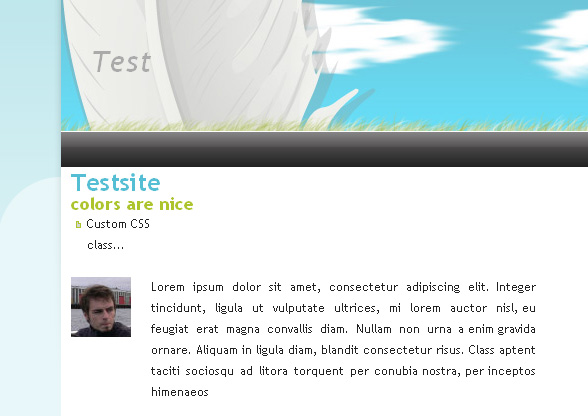
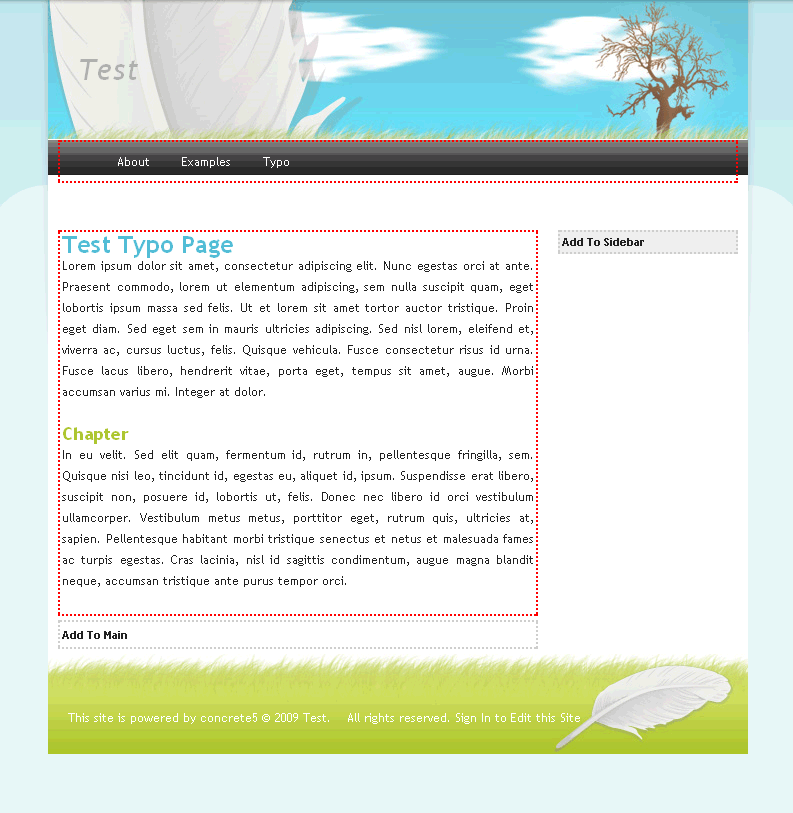
Wer ein Theme für Concrete5 erstellt hat, wird sich eventuell gefragt haben, wofür die zwei CSS Dateien main.css and typography.css. In diesem Tutorial zeige ich ein paar Möglichkeiten, die Concrete5 im Zusammenhang mit CSS bietet. Grundlegende Kenntnisse über das Erstellen von Themes sollten vorhanden sein, ansonsten wäre es hilfreich dieses Tutorial vorgängig zu lesen: http://www.codeblog.ch/2009/01/concrete5-theme-erstellen/

typo1

If you ever built your own Concrete5 theme you might have wondered why there are usually two css files – main.css and typography.css. In this tutorial I’ll show you some possibilities of typography.css. You should have basic knowledge about building a theme for Concrete5. Read this tutorial in case you never built one before: http://www.codeblog.ch/2009/01/concrete5-theme-erstellen/

typo1


Concrete5 – Blöcke im TemplateConcrete5 – Blocks within Templates

Concrete5 wird standardmässig mit verschiedenen “Blöcken” ausgeliefert, welche man auf seiner Seite mit wenigen Klicks einbauen kann. Manchmal möchte man aber einen Block auf sämtlichen Seiten anzeigen. Zum Beispiel eine Navigation. Wie macht man das?

block-in-template

Zwei Möglichkeiten! Mehr auf der nächsten Seite..

Concrete5 offers you a lot of blocks you can add to your page. But sometimes you might want to have a certain block on every page. How do you do that?

block-in-template

There are two possibilities!